Buying Guide
Best Quiet & Discreet Devices: Noise Levels Compared (2026)
On this page
If discretion matters most, noise is the first figure to check. We rank the devices in our catalogue stated at around 45 dB or less, explain what those figures mean and what makes a device sound quieter in practice.
Disclosure: we may earn a commission through links on this page, at no extra cost to you. Rankings are editorial and never paid for. How we make money.
Quick verdict
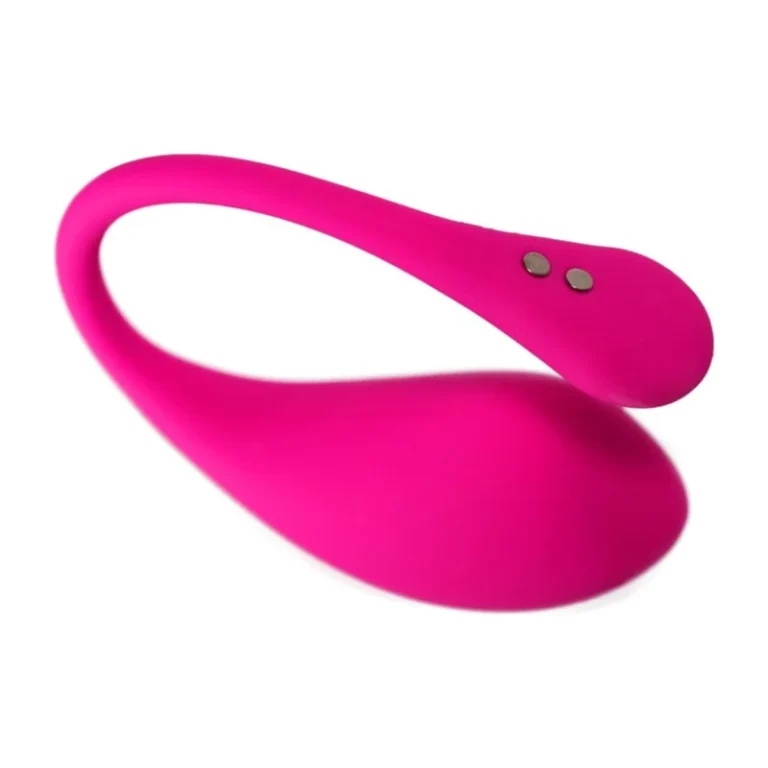
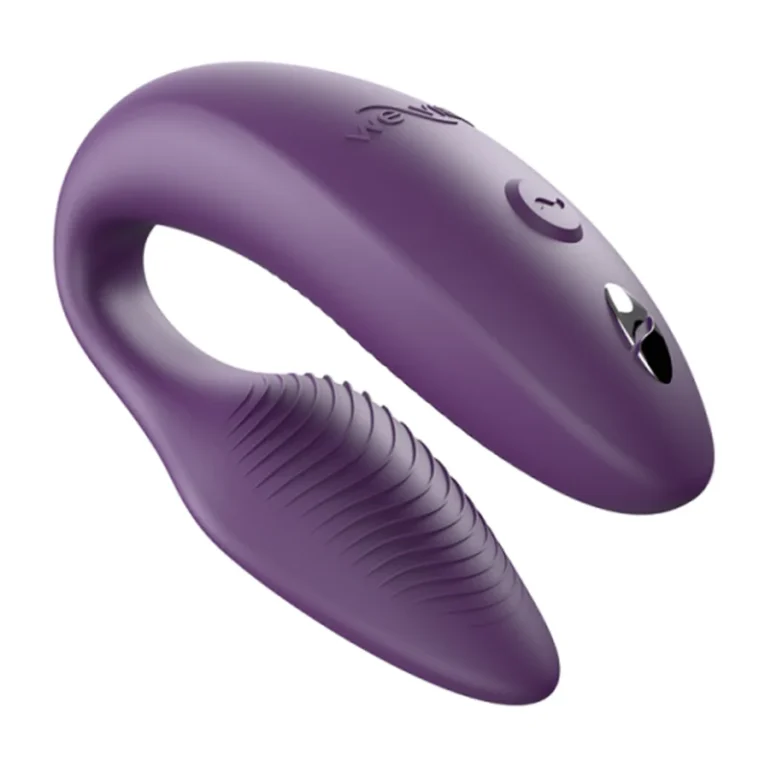
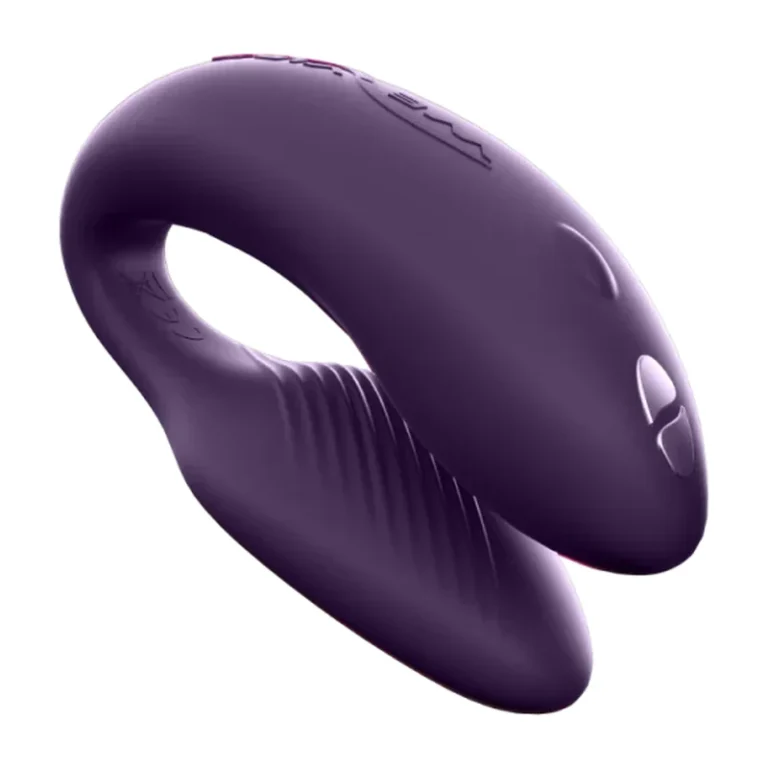
The Lovense Lush 3 is the quietest device we list, at around 43 dB at its maximum according to Lovense. The We-Vibe Sync 2 and We-Vibe Chorus follow at around 45 dB, both designed for couples’ play.
Noise levels across our catalogue
Every figure below is the approximate value shown on our product pages, taken from manufacturer data or, where a brand publishes nothing, from retailer listings. None of them is our own measurement.
| Stated level | Comparable everyday sound | Devices in our catalogue |
|---|---|---|
| Below 40 dB | A whisper, a quiet bedroom at night | No motorized device at its maximum setting. Lovense lists 38 dB for the Lush 3 at its lowest setting. Sensor-based pelvic floor trainers have no motor at all (see below). |
| ~43 to 45 dB | A quiet library, a refrigerator’s low hum | Lovense Lush 3 (~43 dB), We-Vibe Sync 2 and We-Vibe Chorus (~45 dB) |
| ~46 to 48 dB | A quiet office | No device in our catalogue at present |
| ~50 dB | A quiet office, light rainfall | No device in our catalogue at present |
| ~60 dB and above | A normal conversation at about one metre | LELO Dot, LELO Sona 2 Cruise and LELO Sona 3 Cruise (~60 dB at their stated maximums), Doxy Die Cast Max (~75 dB at its stated maximum) |
Brands measure noise in different ways (distance, intensity setting, weighting), so a gap of 3 to 5 dB between two brands is not necessarily meaningful. Our noise and decibel guide explains how to read these figures.
Comparison table
| Feature | Lovense Lush 3 | We-Vibe Sync 2 | We-Vibe Chorus |
|---|---|---|---|
| Rating | 4.2/5 | 4.4/5 | 4.3/5 |
| Brand | Lovense | We-Vibe | We-Vibe |
| Noise level | Whisper-Quiet (~43 dB) | Discreet (editorial estimate) | Discreet (editorial estimate) |
| Waterproof | IPX7 | IPX7 | IPX7 |
| Battery life | 3.7 h | 2 h | 1.5 h |
| Material | Body-safe silicone | Body-safe silicone | Body-safe silicone, ABS |
| Offer | Check Price | Check Price | Check Price |
Specifications from manufacturer data and product documentation. Noise levels are approximate; battery life is the manufacturer-stated run time on a full charge, which varies with intensity.
1. Quietest overall: Lovense Lush 3
The Lush 3 is a wearable designed for hands-free and long-distance use. Lovense lists a noise level of 43 dB at most (38 dB at the lowest setting), the lowest figure in our catalogue. It is rated IPX7, fully covered in body-safe silicone and runs for up to 220 minutes according to Lovense. Most of its features go through the Lovense Remote app, which can also hand control to a partner at a distance.
Choose it if the lowest stated noise level is your priority, or you want a wearable a partner can control remotely. Skip it if you prefer a device you can control fully without a smartphone.
Read our full Lovense Lush 3 review →
2. Quietest couples’ device: We-Vibe Sync 2
The Sync 2 is a hands-free couples’ device with an adjustable hinge, worn with one arm positioned internally and the other externally. It runs at around 45 dB, is rated IPX7 and runs for up to 120 minutes according to We-Vibe. It comes with a remote and works with the We-Vibe app, including control over the internet.
Choose it if you want a quiet device designed for shared use. Skip it if the C-shape does not suit your body or you want a solo-only design.
Read our full We-Vibe Sync 2 review → See how it compares with the quietest device in our catalogue in our Lovense Lush 3 vs We-Vibe Sync 2 comparison.
3. Quiet couples’ device with an adjustable shape: We-Vibe Chorus
The Chorus is a couples’ device worn with one arm positioned internally and the other externally, with an adjustable shape that holds its position. It runs at around 45 dB, is rated IPX7 and runs for up to 90 minutes according to We-Vibe, charging in its supplied case. Touch Sense sensors react to touch and movement, and it comes with a squeeze remote and works with the We-Vibe app, including control over the internet. It ranks behind the Sync 2 because of its lower overall rating and shorter run time.
Choose it if you want a quiet couples’ device whose shape you can adjust and that responds to touch. Skip it if you want the longest run time or a solo-only design.
Read our full We-Vibe Chorus review → See how the two We-Vibe models differ in our We-Vibe Sync 2 vs We-Vibe Chorus comparison.
Also consider
- Womanizer Liberty 2 (no published noise figure): a compact air-pulse device with a magnetic cover case and a travel lock that keeps it switched off in a bag. Womanizer states no decibel level, so we cannot rank it here.
- Womanizer Premium 2 (no published noise figure): an air-pulse device with Smart Silence, which keeps it in standby until it is almost touching the skin, and up to 240 minutes of use. Womanizer states no decibel level, so we cannot rank it here.
- Womanizer Duo 2 (no published noise figure): a dual stimulator with Smart Silence, which keeps it off until it is almost touching the skin. Womanizer’s manual states no decibel level, so we cannot rank it here.
- Fun Factory Tiger (no published noise figure): a curved internal vibrator with a key lock for discreet transport. Some retailers describe it as quiet, but Fun Factory states no decibel level, so we cannot rank it here.
Silent by design: sensor-based pelvic floor trainers. The Elvie Trainer and the Perifit Care+ have no motor: they measure contractions and show feedback on your phone, so they make no operating noise. They serve a different purpose from the devices above, so we rank them separately in our pelvic floor trainer guide.
What makes a device sound quieter
A device’s noise comes from its motor and from the vibration of its housing, which radiates sound into the air. Manufacturers rarely publish how their devices are built, so we do not credit any product with a specific damping design. In general terms, a few factors shape what you actually hear:
- Outer material: a soft silicone covering and a closed, sealed body leave less hard surface to radiate the motor’s vibration than exposed plastic.
- Intensity setting: noise rises with intensity. A figure stated at the lowest setting says little about the maximum, which is why we note when a brand gives its maximum.
- Contact and position: pressed against the body or covered by bedding, a device is usually more muffled than in open air.
- Surfaces: a device resting on a nightstand or a bed frame passes its vibration into the surface, which can amplify the hum.
- Background sound: a quiet bedroom at night can fall to around 25 to 35 dB, so the same device stands out more at night than during the day.
Not sure which quiet device suits you? Our Device Finder asks up to four questions; choose “Discreet & Quiet” to keep only the devices stated at around 45 dB or less.
How we chose
We kept the motorized devices in our catalogue stated at around 45 dB or less, and ranked them by stated noise level, then by overall rating; three devices currently qualify. Within the ~45 dB group, the order follows the overall rating: Sync 2, then Chorus. Devices without a published noise level, such as the Womanizer Premium 2, Duo 2 and Liberty 2, are not ranked. Specifications come from manufacturer data and published product documentation; we have not run acoustic measurements. Read our editorial standards for details.
Frequently asked questions
What does 45 dB sound like?
Around 45 dB is comparable to a quiet library or a quiet office. It is noticeable in a silent room, but usually discreet behind a closed door, especially with some background sound such as a fan or music.
How are the decibel figures on this page measured?
They come from manufacturers or, where a brand publishes nothing, from retailer listings; we do not measure noise ourselves. Brands use different distances, settings and weightings, so treat small differences between brands with caution. Where a brand states a maximum, such as Lovense for the Lush 3, we use that maximum.
Is any intimate device completely silent?
No motorized device is silent: every motor produces some hum and vibration. Sensor-based pelvic floor trainers such as the Elvie Trainer and the Perifit Care+ have no motor and make no operating noise, but they are training devices, not stimulators.
This guide provides general information and is not medical advice. Always follow the manufacturer’s instructions for use, cleaning and charging.