2026 Ranking
Best Pelvic Floor Trainers of 2026: Biofeedback & App Guide
On this page
Pelvic floor trainers help you practise pelvic floor exercises with structure, and the best ones show what is happening as you train. We compare the top-rated trainers from our pelvic floor ranking and explain what to look for in sensors, app guidance, power, fit and care.
Disclosure: we may earn a commission through links on this page, at no extra cost to you. Rankings are editorial and never paid for. How we make money.
Quick verdict
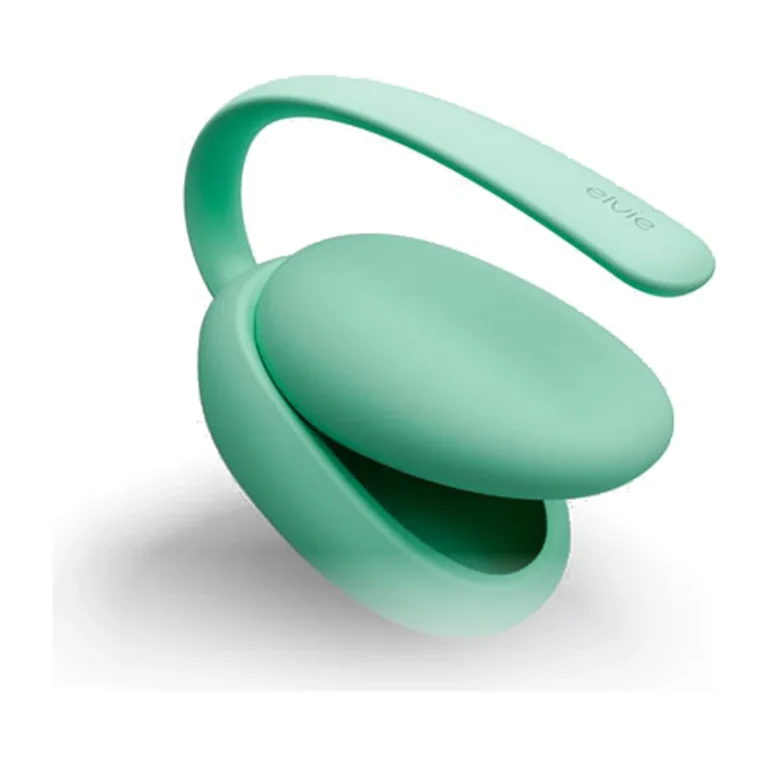
#1 Top Pick
Elvie
Elvie Trainer
- Real-time on-screen feedback on each contraction
- Tilt detection flags pushing down instead of lifting
- Six guided, gamified exercises with progress tracking
- No motor
- Waterproof

Our catalogue includes two app-connected pelvic floor trainers, the Elvie Trainer and the Perifit Care+. We rank them against each other, not against stimulation devices, which serve a different purpose; this guide will be extended as we review more trainers.
Comparison table
| Feature | Elvie Trainer | Perifit Care+ |
|---|---|---|
| Rating | 4.7/5 | 4.6/5 |
| Brand | Elvie | Perifit |
| Noise level | No motor | No motor |
| Waterproof | Waterproof | Waterproof |
| Battery life | — | No charging needed |
| Material | Body-safe silicone | Body-safe silicone |
| Pros |
|
|
| Cons |
|
|
| Offer | Check Price | Check Price |
Key specifications
| Feature | Elvie Trainer | Perifit Care+ |
|---|---|---|
| Feedback | Real-time on-screen feedback: a gem moves as you contract and relax | Real-time feedback: your contractions steer the app’s games |
| Sensors | Sensors Elvie describes as patented, plus tilt detection that flags pushing down instead of lifting | Dual-sensor system Perifit describes as patented (contraction and abdominal pressure), plus motion detection |
| App guidance | Six gamified exercises (Lift, Hold, Pulse, Speed, Step, Strength), levels and progress tracking | More than 20 games, a personalized program, progress tracking and exercises in several positions |
| Connectivity | Bluetooth Low Energy; iOS 14, iPadOS 14 or Android 9 and newer | Bluetooth Low Energy; App Store and Google Play (versions not stated) |
| Fit | Optional sizing cover included | Flexible body (6.3 × 2.7 cm insertable part) and removable collar |
| Body | Fully covered in silicone, with no exposed parts | Silicone |
| Power | Rechargeable; carry case that doubles as the charger, powered by a Micro USB cable | Built-in battery designed to last for years; no recharging; 5-year battery warranty |
| Water resistance | Described as waterproof by retailers; Elvie gives no IP rating | “100% waterproof design” according to Perifit; no IP rating |
| Noise | No motor: feedback is visual, on your phone or tablet | No motor: feedback is visual, on your phone or tablet |
Specifications from Elvie’s and Perifit’s product pages and Perifit’s official Amazon store, completed by retailer listings where a brand publishes nothing. We have not run clinical or laboratory tests, and neither brand publishes sensor accuracy figures.
Types of pelvic floor trainers
Pelvic floor trainers fall into a few broad groups, which differ mainly in how much feedback they give:
- Sensor-based biofeedback trainers: an insertable device with built-in sensors sends readings to an app, which shows each contraction in real time and guides you through exercises. Both trainers in our ranking belong to this group.
- Passive trainers: devices without electronics, used to give your exercises a point of focus. They are simple and need no phone, but they cannot show whether a contraction is performed correctly.
- Professional-led options: a pelvic health physiotherapist can assess your technique in person and recommend an approach, including whether a trainer is appropriate for you.
1. Best for guided training: Elvie Trainer
The Elvie Trainer is a compact silicone pod with a flexible tail for removal and sensors that send readings over Bluetooth to the Elvie app. The app turns each contraction into real-time on-screen feedback, and tilt detection flags a common technique error: pushing down instead of lifting up. Six short, gamified exercises with levels and progress tracking make it easier to build a routine, and the carry case doubles as the charger. Its limits are practical: every session needs a compatible phone or tablet, it charges with Micro USB rather than USB-C, and Elvie publishes neither a run time, an IP rating nor sensor accuracy data.
Choose it if you want visual confirmation of your technique and a short, focused routine. Skip it if you do not want to use a smartphone at every session.
Read our full Elvie Trainer review →
2. Best for gamified training: Perifit Care+
The Perifit Care+ is a compact, flexible probe that bends during insertion, with a dual-sensor system: one sensor reads the pelvic floor contraction, the other detects abdominal pressure, which Perifit uses to flag faulty contractions. Motion detection adds training in several positions, and the free Perifit app offers more than 20 games and a personalized program. It has no charging port: Perifit says the battery is designed to last for years and covers it with a five-year warranty. Like the Elvie, it needs a phone at every session, and Perifit publishes no IP rating, sensor accuracy data or battery life figure.
Choose it if games keep you motivated and you never want to charge a device. Skip it if you prefer a short, uncluttered routine with a protective charging case.
Read our full Perifit Care+ review → · Elvie Trainer vs Perifit Care+ comparison →
Buying guide: how to choose a pelvic floor trainer
Sensors and feedback
The main reason to choose a connected trainer is feedback: seeing each contraction as it happens helps you check that the exercise is performed as intended. Look for real-time feedback rather than a summary after the session, and check how the device detects technique errors: the Elvie uses tilt detection, the Perifit a separate abdominal pressure sensor. Few brands publish accuracy figures, so treat claims of precision with caution.
App guidance and privacy
The app does most of the work: structured exercises, clear on-screen prompts and progress tracking make a routine easier to follow. Some apps keep it focused, others lean on a large library of games; choose the style that will keep you training. Check the supported phone and tablet versions before buying, and review the app’s privacy settings and permissions, since training data is personal.
Power and charging
Trainers are either rechargeable or run on a built-in battery that is not meant to be charged. A rechargeable trainer, such as the Elvie with its charging case, needs occasional charging but its case doubles as storage. A charge-free trainer, such as the Perifit Care+, removes that step; check how long the battery is covered by the warranty.
Fit and comfort
Anatomy varies, so a trainer that offers a fit option is easier to use comfortably: the Elvie includes an optional sizing cover, the Perifit Care+ a removable collar and a flexible body. A flexible tail makes removal straightforward. If the device feels uncomfortable, stop and seek advice rather than pushing through.
Materials, cleaning and storage
Look for a body fully covered in body-safe, non-porous silicone, with no seams or exposed parts that could trap residue. Wash the device before and after each session with warm water and a mild, fragrance-free soap, rinse it and let it dry completely before charging or storage. A trainer is designed for one person and should not be shared. See our device cleaning and material care guide for step-by-step routines, and our guide to body-safe silicone and materials for what material claims mean.
When to speak with a professional
A trainer is a training aid, not a treatment. Anyone with pain, a pelvic health condition or a recent childbirth should speak to a healthcare professional, such as a pelvic health physiotherapist, before using one; Elvie itself advises waiting for approval after childbirth, which usually comes at the six-week check-up, and Perifit notes that symptoms are not always caused by a weak pelvic floor.
How we chose
We assess pelvic floor trainers on the feedback they give, the quality of the app guidance, power and charging, fit options, materials and care, using the manufacturers’ specifications and published documentation. Noise is not a criterion, since these devices have no stimulation motor. Read our editorial standards for details.
Frequently asked questions
What is a biofeedback pelvic floor trainer?
It is a device with built-in sensors that measures your contractions and shows them on a screen as you exercise, so you can see whether each one is performed as intended and adjust your technique. Both trainers we review need a phone or tablet: the Elvie Trainer shows a gem that moves with each contraction, and the Perifit Care+ uses your contractions to steer its games.
Which is better, the Elvie Trainer or the Perifit Care+?
The Elvie Trainer ranks first (4.7/5) for its focused six-exercise routine, tilt detection and a carry case that doubles as the charger. The Perifit Care+ (4.6/5) is the better fit if you stay motivated by games, want motion detection for training in several positions and prefer a device that never needs charging.
Should I speak to a professional before using a trainer?
If you have pain, a pelvic health condition or have recently given birth, yes: a healthcare professional, such as a pelvic health physiotherapist, can advise whether a trainer is appropriate. Elvie advises waiting for approval after childbirth, usually given at the six-week check-up.
This guide provides general information and is not medical advice. Always follow the manufacturer’s instructions for use, cleaning and charging.